Which Gun Should You Shoot First? A Beginner's Range Guide
Standing in front of a wall of firearms on your first visit is a bit much — where do you even start? This beginner's guide walks you through which gun to shoot first and why, from the gentle recoil of a .22 pistol to the big names everyone wants to try. Get the order right and your first range session goes from nerve-wracking to unforgettable.
Which Gun Should You Shoot First? A Beginner’s Range Guide
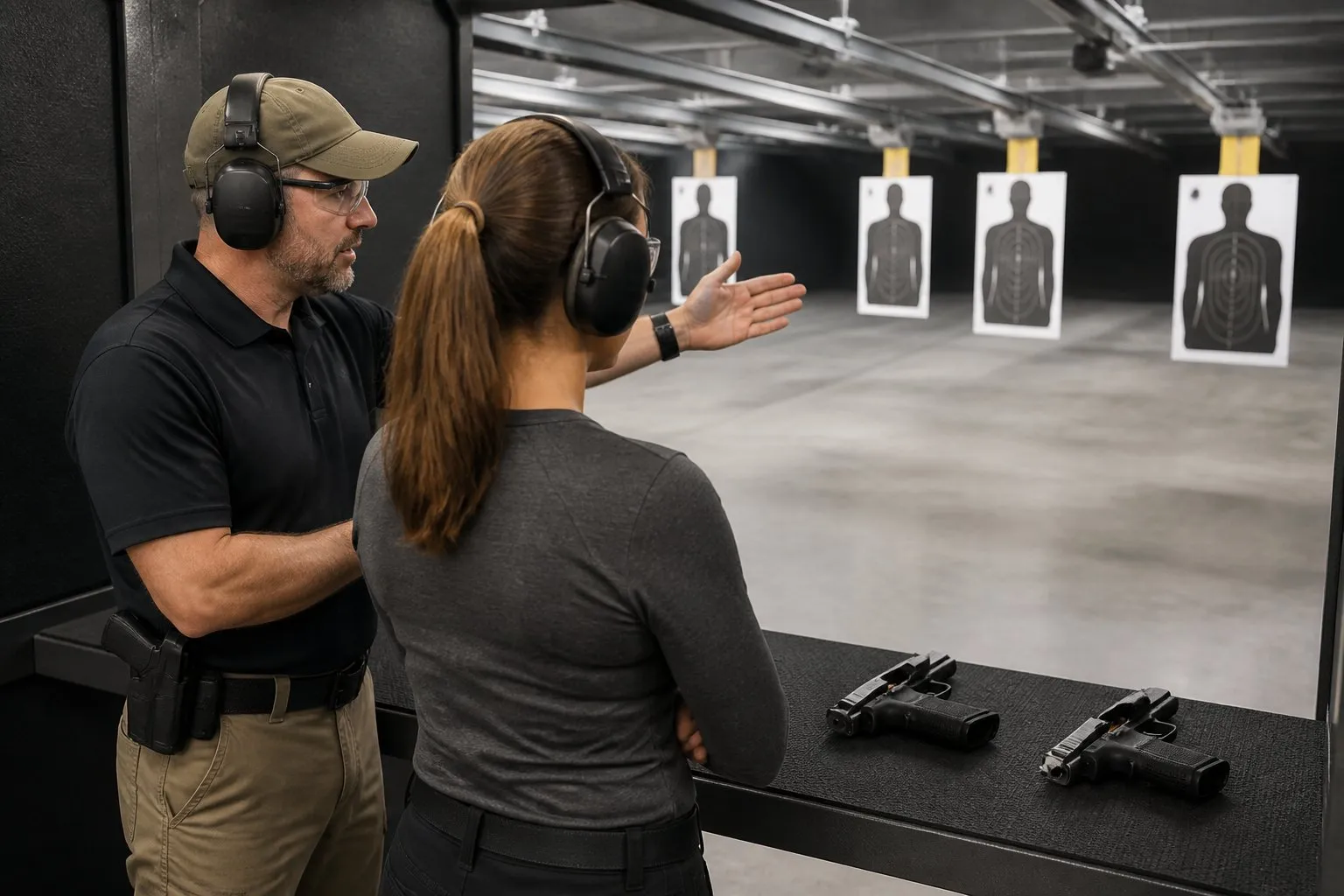
Standing in front of a wall of firearms for the first time is exciting and, if we're honest, a little daunting. Which one do you actually pick up first? The best starting point for any first-time shooter is a low-recoil, instructor-selected firearm handled under close supervision, not whatever looks most impressive on the wall. That single decision shapes how comfortable, accurate, and confident you feel for the rest of the session.
At Churchill Shooting Range Budapest, our American and British veteran instructors guide every visitor through this decision before a single shot is fired. Whether you're a curious solo traveller, a couple looking for something different, or a stag group after a proper adrenaline hit, the right first firearm is one your instructor recommends after watching how you hold it, not one you've seen in a film. Multilingual guidance means the safety briefing and hands-on coaching make sense no matter where you're visiting from, and there's no need for prior experience or a personal firearms licence to take part.
Start With an Instructor-Led, Low-Recoil Experience
The easiest firearm to shoot well on your first attempt is almost always one with low felt recoil, and that usually means a .22 LR pistol. Recoil, the backward kick you feel in your hand when a shot fires, is the single biggest reason beginners flinch, close their eyes, or jerk the trigger. Starting with something gentle lets you build proper trigger control and grip habits before moving to anything stronger.
Why a .22 LR Pistol Is Often the Easiest Starting Point
A .22 LR pistol, such as the Ruger Mark IV 22/45, produces minimal recoil and a quieter report than centrefire calibres. This makes it far easier to keep your sights on target and notice exactly what your trigger finger is doing. New shooters typically shoot tighter groups with a .22 LR in the first few minutes than with any larger calibre.
When a 9mm Pistol May Be a Better First Try
A 9mm pistol can still make an excellent first firearm, particularly for visitors with slightly larger or stronger hands. Modern 9mm handguns are built with beginners in mind: predictable recoil, dependable reliability, and ergonomics that suit a wide range of grip sizes. If you've done a little shooting before, or simply want a firearm with a bit more presence, your instructor may well suggest starting here instead.
Why the Instructor's Recommendation Matters More Than Brand Popularity
Caliber selection should always follow your instructor's read of your grip, hand strength, and comfort, not a name you recognise from a game or film. One of the most common beginner mistakes is insisting on a specific handgun because it looks familiar, only to struggle with recoil control and trigger control throughout the session. Our instructors are there to steer you toward the firearm that suits you, adjusting the plan on the spot if something feels wrong.
Pistol vs Rifle vs Shotgun for a First Range Visit
Pistols are the most common starting point for first-timers, rifles offer the steadiest platform for learning to aim, and shotguns deliver the biggest sensory impact but reward a little preparation first. Each category teaches a different skill, and knowing what to expect from handguns, rifles, and shotguns helps you choose a session that matches what you're hoping to feel and learn.
Pistols: A Hands-On Introduction to Core Shooting Skills
Handguns put grip, stance, and trigger control front and centre. A semi-automatic pistol (one that fires, ejects, and reloads a new round automatically with each trigger pull) is the most widely used option for first-timers because it's intuitive to operate under instruction. Striker-fired pistols, such as many modern 9mm models, have a consistent trigger pull from shot to shot, which makes them particularly forgiving to learn on.
Rifles: A Stable Platform for Learning Sight Alignment
Rifles are held against the shoulder and steadied with both hands, giving beginners a naturally more stable shooting platform than a handgun. This makes rifles a great choice for visitors who want to focus on sight alignment and shot placement without also managing one-handed recoil control. Longer barrel length also tends to improve accuracy at distance, which is satisfying for a first-timer watching their groups tighten up.
Shotguns: Powerful, Memorable, and Best Tried With Preparation
Shotguns deliver a bigger, more physical experience than pistols or rifles, with a heavier recoil impulse that rewards a solid stance and firm shoulder placement. They're memorable for exactly that reason, but we always recommend trying a pistol or rifle first so you've already built some comfort with recoil and trigger control. Our instructors will show you the correct stance before you ever mount a shotgun to your shoulder.
Revolvers and Semi-Automatic Pistols: What Beginners Notice First
Revolvers and semi-automatic pistols feel different from the very first trigger pull. A revolver's double-action/single-action (DA/SA) trigger, which can fire with either a longer, heavier pull or a shorter, lighter one, tends to feel more mechanical and deliberate, while a striker-fired semi-automatic pistol feels lighter and more consistent shot to shot. Neither is objectively easier; it comes down to which trigger feel suits your hand.
Firearm TypeRecoil LevelLearning FocusBeginner-Friendly Rating.22 LR PistolVery lowTrigger control, gripExcellent9mm PistolModerateRecoil management, accuracyVery goodRifleModerate (shoulder-braced)Sight alignment, stabilityVery goodShotgunHigherStance, shoulder placementGood, with preparation
Choose a First Session That Matches Your Interests
The right first shooting session depends less on gun type and more on what draws you to try shooting in the first place. Some visitors want a quick taster, others want to feel like they've stepped into a film or video game, and some are genuinely fascinated by military history.
A Short Introduction for Curious First-Timers
Our Recruit package gives first-time visitors a roughly 30-minute introduction, ideal if you're curious but unsure how much time or ammunition you want to commit to. The Hollywood package, meanwhile, uses lighter-weight firearm options specifically chosen with beginners in mind, so recoil and handling never feel overwhelming.
Film and Gaming Firearms for an Adrenaline-Focused Visit
The Gamer package is our most popular option, aimed squarely at visitors who recognise firearms from first-person shooter games and want to finally feel one in their hands. Trying an AK-47, an AR-15, or an Uzi under close supervision turns a familiar screen image into a genuinely physical experience.
Historic Firearms for Visitors Interested in Military History
Guests fascinated by WWII and Cold War history should look at our Stalingrad package, which focuses on firearms spanning WWII-era Russian and Eastern Bloc history through to more modern weapons. For those short on time but keen to try a piece of history, our M1 Carbine page gives a sense of what's on offer.
How Groups, Couples, and Solo Visitors Can Shoot at Their Own Pace
Every package is suitable for individuals, pairs, or larger groups, and our instructors happily tailor pacing so nobody feels rushed. The extended All-in package suits groups wanting a longer, more varied session with a broader firearm selection and higher round count.
Safety, Comfort, and Confidence Before the First Shot
Every visit begins with a proper safety briefing, not a rushed handshake and a loaded gun. This is where nerves settle, questions get answered, and the whole session starts to feel manageable rather than intimidating.
What Happens During a Professional Safety Briefing
Our instructors walk you through safe handling for each firearm you'll use, including how to identify whether a manual safety (an external safety) is engaged, how to keep the muzzle pointed safely at all times, and how to communicate clearly during close-quarters range use. You'll also cover target identification and shot placement basics before live fire begins. Our detailed shooting range safety rules guide is a useful read beforehand if you'd like a head start.
How Eye and Ear Protection Helps You Focus
Eye and ear protection is supplied for every visitor, and it does more than protect you physically. Hearing protection dampens the sharp report of each shot so you can concentrate on your instructor's voice and your own technique instead of flinching at the noise.
Why Grip, Stance, and Trigger Control Come Before Speed
Instructors deliberately slow beginners down at first, focusing on grip, stance, and smooth trigger control rather than rapid-fire excitement. Speed comes naturally once the fundamentals feel automatic, usually within the first few shots.
What to Bring and How to Prepare for Your Visit
Bring valid photo identification and arrive sober; comfortable closed-toe shoes and clothing you don't mind getting a little warm in are worth planning for. Our guide on what to wear to a shooting range covers this in more detail.
Build Confidence With a Supervised First Range Session
A supervised first session builds the kind of confidence that stays with you long after you've left the range. Because this is a shooting experience rather than a firearm purchase, there's no need to think about gun safes, safe storage, concealed carry, or picking a carry gun for appendix carry with a Kydex holster; that entire side of firearm ownership simply isn't part of a visit to Churchill Shooting Range Budapest.
Instead, the focus stays on fit, feel, and clear instruction. Our instructors watch how you handle each firearm and adjust the session accordingly, whether that means sticking with something gentler or introducing a stronger option once you're ready. Visitors who arrive with zero experience regularly leave having handled several completely different types of firearm, from historic pieces to modern rifles, with genuine confidence rather than lingering nerves.
If you're planning a stag do, a birthday outing, or simply a memorable afternoon in Budapest, browse the full weapons collection or head straight to packages and booking to reserve a time that suits your group. Our team can also be reached directly through the contact page or by phone on +36 1 785 3334 if you'd like advice on which package fits your interests before you arrive.
Frequently Asked Questions
What is the easiest gun to shoot for the first time?
A .22 LR pistol is generally the easiest firearm for a first-time shooter, thanks to its minimal recoil, quiet report, and forgiving trigger. Many beginners shoot tighter groups with a .22 LR in their first few minutes than with any larger calibre.
Should I start with a pistol, rifle, or shotgun?
Most first-timers start with a pistol because it teaches core grip, stance, and trigger control skills quickly. Rifles offer a steadier shoulder-braced platform for learning sight alignment, while shotguns are best tried after you've already built some comfort with recoil.
Do I need a firearms licence to shoot at Churchill Shooting Range Budapest?
No personal firearms licence is required to take part in a supervised session at Churchill Shooting Range Budapest. Every visitor shoots under the close guidance of a professional instructor throughout the session.
Is shooting safe for someone with no experience?
Shooting under professional supervision is designed to be safe and accessible for complete beginners. Every session begins with a full safety briefing, supplied eye and ear protection, and continuous instructor guidance from the moment you pick up a firearm.
Which Churchill Shooting Range Budapest package is best for beginners?
The Recruit package suits visitors wanting a brief, roughly 30-minute introduction, while the Hollywood package uses lighter-weight firearms chosen specifically for first-time shooters. Both are excellent starting points before considering longer sessions like the Gamer or All-in packages.