What to Wear to a Shooting Range: Expert Clothing & Gear Guide
Not sure what to wear to a shooting range? Learn the best clothing, footwear, and safety gear to stay comfortable, safe, and prepared for your visit.
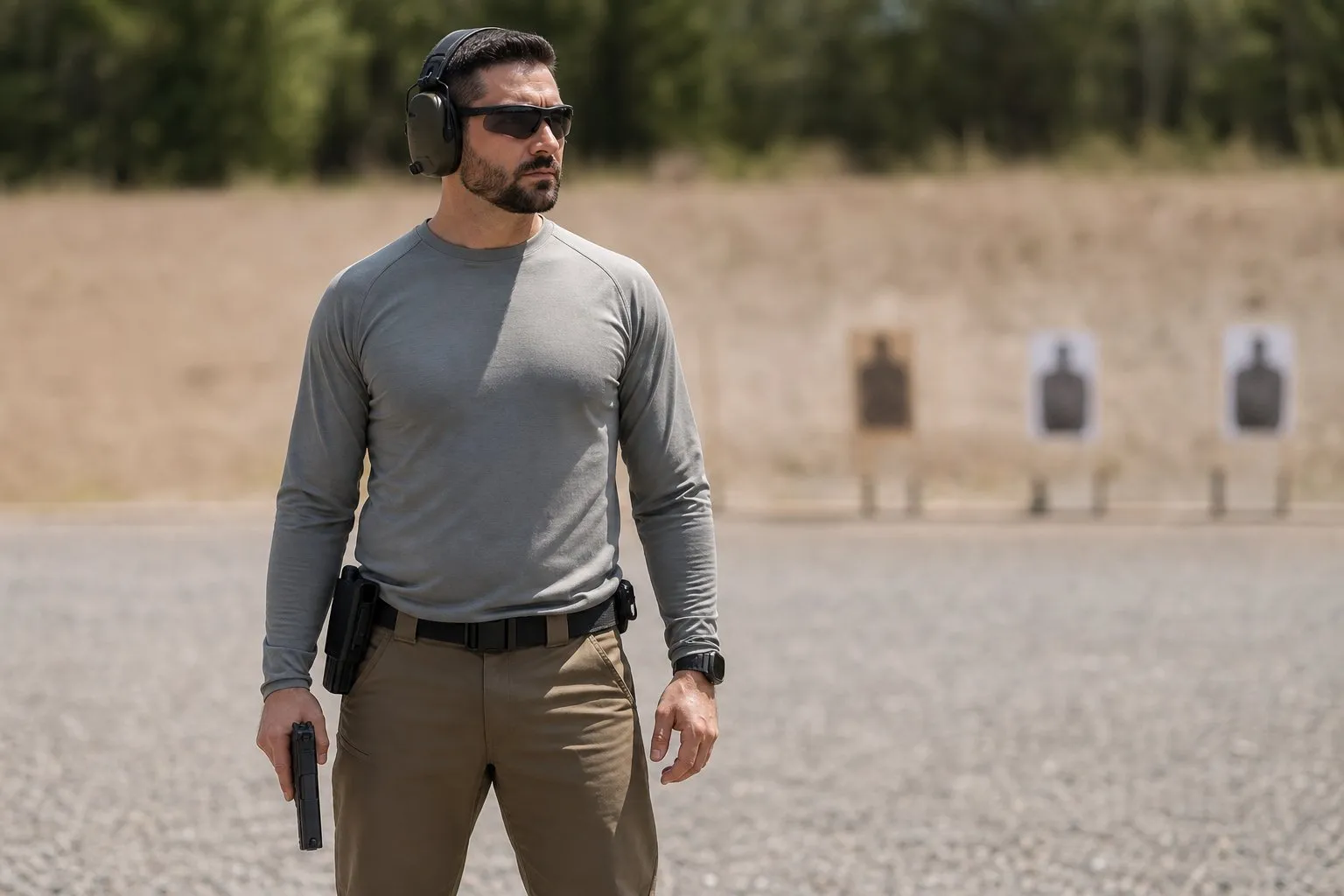
What to Wear to a Shooting Range: Expert Clothing & Gear Guide
Walking into a shooting range for the first time can feel overwhelming, especially if you’re not sure what you’re supposed to wear. Your clothing choices at the range aren’t just about style or following rules.
For safety and comfort, stick with a crew neck or high-necked shirt, long trousers, and closed-toe shoes. This protects you from hot brass casings and gives you stable footing.
The right outfit lets you focus on your skills instead of worrying about burns or blisters. Hot brass casings can fly in any direction and will burn if they hit bare skin.
Your footwear seriously affects your stance and how steady you’ll feel while shooting. Appropriate shooting range attire keeps you and everyone around you safer.
This guide covers must-have clothing, essential protective gear, and the wardrobe mistakes that could put you at risk.
Key Takeaways
- Wear covered, close-fitting clothing with closed-toe shoes to protect against hot brass casings
- Eye and ear protection are mandatory safety requirements at all shooting ranges
- Avoid loose clothing, dangling accessories, and open-toed footwear that create safety hazards
Understanding Shooting Range Dress Codes
Most shooting ranges stick to basic safety guidelines for clothing, though the rules can vary depending on the facility and whether you’re shooting indoors or out.
Standard Safety Requirements
The core shooting range dress code aims to protect you from hot brass and keep safety protocols tight. Every range insists on closed-toe shoes to guard your feet from falling casings and dropped gear.
Wear a shirt with a high neckline to keep hot brass out of your collar. Most places ban tank tops, low-cut shirts, and V-necks. Long trousers are a smart move over shorts, especially if you’ll shoot from prone positions.
Required safety items include:
- Closed-toe, sturdy footwear
- High-neck shirts or collared tops
- Full-length trousers (recommended)
- Eye protection meeting ANSI Z87.1 standards
- Hearing protection with appropriate NRR rating
Some ranges want collared shirts as part of their dress code. It’s always best to call ahead and double-check before heading out.
Differences Between Indoor and Outdoor Ranges
Indoor ranges usually have stricter dress codes than outdoor spots. You’ll often see mandatory collared shirts at indoor clubs and fancier facilities.
Since they control the climate, you don’t need to worry about weather adjustments to your range attire indoors. Outdoor ranges let you dress for the weather, but you still need to follow basic safety rules.
Layer up in cold months, but avoid bulky clothes that restrict movement or make you overheat. Even in summer, you can’t get away with tank tops or short-shorts, no matter how hot it gets.
Why Dress Codes Matter
Hot brass casings can hit 200°C or more when they fly out of firearms. If one gets trapped in loose clothing or lands in open footwear, it’ll burn and might trigger a dangerous reaction—nobody wants chaos on the firing line.
What you wear also impacts your shooting. Loose sleeves can mess with your grip or trigger control. Bad footwear makes it tough to stay steady. The wrong outfit just distracts you and increases the odds of accidents.
Essential Range Clothing for Comfort and Protection
Proper shooting range clothing shields you from hot brass, lets you move freely, and helps you stay focused. Go for fitted garments made from tough materials that protect your skin but don’t restrict movement.
Choosing the Right Shirt and Topwear
Your upper body’s especially vulnerable to ejected brass that can burn if it lands on bare skin. A crew-neck t-shirt or long-sleeved shirt—cotton or moisture-wicking technical fabric—works best.
Skip V-necks, low-cut tops, and loose collars. Hot brass loves to sneak inside those and get stuck. Long sleeves give your arms extra protection, especially if you’re shooting semi-auto firearms that spit brass everywhere.
Choose fitted tops, not baggy ones that might snag on gear or get caught in moving parts. Cotton feels good, but technical fabrics help manage sweat if you’re training hard or it’s hot.
If you’re outdoors, layering is your friend. Start with a moisture-wicking base, add a fleece or similar mid-layer, and top it off with a wind-resistant shell that won’t mess with your stance.
Selecting Suitable Trousers: Cargo, Tactical, and More
Durable trousers protect your legs from hot brass on the ground and give you pockets for essentials. Jeans, cargo pants, and tactical pants all work well at the range.
Never wear shorts, even if it’s blazing out. Brass bounces everywhere and will burn bare legs. Full-length trousers also save your skin if you’re kneeling or lying down on rough ground.
Cargo pants are handy for their extra pockets—great for spare mags, earplugs, or range cards. Tactical pants often have reinforced knees and articulated cuts, so you can move without feeling restricted.
Pick trousers with a comfy waistband that works with your holster or belt. The fabric should be thick enough to protect, but not so stiff you can’t squat or bend.
Recommended Range Shoes and Footwear
Closed-toe shoes with decent support are a must. Sturdy trainers, hiking boots, or work boots keep you steady and safe.
The range floor is usually littered with hot brass. Open-toed shoes, sandals, and flip-flops leave you wide open to burns and dropped gear.
For indoor ranges with flat floors, supportive trainers or athletic shoes do the job. Outdoor ranges with rough ground call for hiking boots with ankle support, so you don’t twist anything moving between positions.
Look for shoes with non-slip soles that grip concrete or dirt. Avoid anything with too much squish—if your shoes feel unstable, your stance will suffer.
Selecting Eye and Ear Protection
Your eyes and ears need solid protection at the range. ANSI-rated safety glasses and hearing protection with a decent NRR are essentials every time.
Eye Protection: Safety Glasses and Their Features
Regular prescription glasses or sunglasses won’t cut it. You need ANSI-rated safety glasses made for shooting.
These keep your eyes safe from ricochets, hot brass, and debris. If you wear prescription lenses, ask your optometrist about prescription safety glasses or frames with lens inserts.
Lens color isn’t just about looks. Clear lenses work indoors and in low light. On bright days, go for tints to avoid squinting and messing up your sight picture.
Lots of shooters carry a few pairs or use interchangeable lens systems. Yellow or amber tints help on cloudy days, darker ones for bright sun.
Types of Hearing Protection: Foam Earplugs vs Electronic Earmuffs
Gunshots are loud—140 to 165 decibels. Anything over 80 decibels can wreck your hearing fast. The Noise Reduction Rating (NRR) tells you how much protection you’re getting.
Foam earplugs go in your ear canal and work if they fit right. Universal plugs don’t suit everyone, and if they pop out, you’re unprotected. Custom-molded plugs from an audiologist fit better and stay put.
Electronic earmuffs cover your whole ear and usually offer higher NRR. They amplify voices and range commands, but block gunfire. Downside? They can get in the way if you’re shooting rifles or shotguns and need a tight cheek weld.
You can double up—wear plugs and muffs together for another 5-10 decibels of protection beyond your best device.
Key Accessories Every Shooter Needs
Besides your firearm and ammo, having the right accessories in a solid range bag makes your time at the range smoother and safer. Good protective gear and a few practical tools mean you’re ready for whatever comes up.
Building a Practical Range Bag
Your range bag is the backbone of your shooting setup, corralling all those accessories that seem to multiply. Tactical backpacks work well since they swallow up a surprising amount of gear without being a pain to lug around.
Most of these have dedicated spots for magazines and firearms, which honestly just makes life easier.
Sling bags feel like a blessing for pistol shooters or anyone just popping in for a quick session. They won’t swallow as much stuff but, hey, sometimes you just want to travel light.
Tactical duffel bags? Those are for folks who take their range days seriously. Most come with MOLLE webbing for extra pouches, tons of compartments for sorting your stuff, and even spots for concealed carry.
Pick your bag size based on what you usually bring and whether you’re hauling pistols, rifles, or both. No shame in a little overkill, but dragging a giant duffel for a single pistol session feels silly.
Don’t overlook a sturdy gun belt if you practice drawing from a holster. A quality belt keeps your holster and mags locked in, so you’re not fussing with your gear mid-drill.
Range Bag Essentials for a Successful Visit
Eye and ear protection are non-negotiable if you value your senses. Toss in two pairs of shooting glasses—one for you, one for the friend who always forgets theirs.
Low-profile temples on glasses fit better under earmuffs. It’s a small thing, but your ears will thank you.
Hearing protection is a must. Even one shot can wreck your hearing for good, so bring solid earmuffs and a handful of foam plugs for backup or double protection during long sessions.
Other gear worth packing:
- Spare magazines (preload them to save time at the range)
- Extra ammunition (always bring more than you think you'll use)
- Magazine loader (your thumbs will appreciate it)
- First aid kit (include trauma supplies and a tourniquet—just in case)
- Shooting gloves (helpful for loading mags and handling hot guns)
Additional Range Gear and Tools
Cleaning supplies belong in your bag even if you’re not doing a full scrub-down at the range. Gun oil, a few cloths, bore brushes, and a cleaning rod can bail you out if something jams.
Bring a staple gun and staples—hanging targets is a pain without them. Masking tape patches up shot holes, so your targets last longer.
Don’t forget extra targets and a permanent marker for tracking your shots. It’s easy to lose count after a few magazines.
You’ll want a multitool or folding knife, plus some precision screwdrivers and hex keys. Some guns have their own quirks, so if yours needs a special tool, just toss it in.
A torch is a lifesaver when you’re digging through your bag at dusk or in a dim indoor bay. Headlamps are even better since they keep your hands free.
Pen and weatherproof notepad? Super handy for jotting down times, scores, and random notes. A shot timer isn’t essential, but it’s fun to track your speed and see if you’re actually getting faster.
Clothing and Gear to Avoid at the Range
Some clothing choices just aren’t worth the risk at shooting ranges. Knowing what to skip can help you dodge painful injuries and distractions that mess with firearm control.
High-Risk Clothing: What Not to Wear
Low-cut or V-neck tops are a classic mistake. Hot brass loves to find its way down your shirt, and those burns sting. The real danger? You might flinch or fumble, which isn’t great when you’re holding a loaded firearm.
Loose, flowy clothes get in the way more than you’d think. Batwing sleeves, big kimonos, or oversized shirts can snag on your gun or gear. Loose clothing can snag on gear and make it awkward when you’re mounting a rifle or shotgun.
Tank tops and sleeveless shirts leave your arms wide open for hot brass burns. Even one stray casing can be enough to throw off your focus. Go with short sleeves at minimum—your skin will thank you.
Why Open-Toe Shoes and Accessories Are Unsafe
Flip-flops, sandals, or anything open-toed just aren’t built for the range. Hot brass on bare toes? No thanks. Indoor ranges are usually littered with spent casings, so closed-toe shoes with sturdy soles are a must for safe footing.
Chunky jewelry is another headache. Big rings mess with your grip, and dangly earrings can poke you when you shoulder a long gun. Small wedding bands are fine, but leave the statement pieces at home.
Regular earbuds like AirPods? They don’t cut it for hearing protection. Those things won’t block gunfire and you’ll end up damaging your hearing.
Common Dress Code Mistakes
A lot of shooters don’t realize shorts leave their legs exposed to hot brass. Long trousers aren’t always required, but they’re smarter and fit most dress codes.
Scarves can be a hazard if you wear them loose. If you want neck protection, make sure it’s secure and stays out of the way.
Leggings without pockets aren’t dangerous but aren’t practical, either. You’ll want somewhere to stash spare mags or earplugs.
Skip wearing your range clothes out and about. Shooting leaves powder residue and probably some lead traces, so toss those clothes in the wash before heading anywhere else.
Special Considerations for Serious Practice
If you’re training regularly or working on specific skills, your range outfit has to match your real-world scenarios. It’s not just about looking the part—your clothes need to help you train safely and deal with lead exposure.
Drawing from a Holster
When you’re practicing your draw, wear what you’d actually wear for concealed carry. That means tactical trousers that work with your holster, not just gym shorts or random athletic pants.
Your shirt should be what you wear day-to-day. If you carry under a button-down, train in one. If you use a t-shirt and outside-the-waistband holster, stick with that.
Fit matters. Baggy clothes snag, but skin-tight stuff can restrict you. Try a few practice draws before you go live to make sure nothing gets in the way.
Use the same style of belt you carry with. Practicing with a flimsy belt won’t help when you’re out with your real carry belt.
Dedicated Range Outfits and Lead Management
It’s smart to keep a set of clothes just for the range. Lead dust and residue build up on your outfit, shoes, and even skin. You don’t want to track that into your car or house.
Set aside a pair of range shoes and keep them in a sealed bag in your trunk between visits.
Change out of your range clothes before heading home if you can. If you can’t, at least avoid sitting on your couch until you’ve showered and tossed those clothes in the wash—separately from the family laundry.
Pick range clothes you don’t mind getting stained with CLP, oil, or powder. Those marks are almost impossible to get out.
Seasonal Adjustments and Weather Preparation
Your range outfit should flex with the weather and conditions but never at the expense of safety. Summer heat makes shorts tempting, but hot brass isn’t forgiving.
Stick to long trousers and high-neck shirts, even when it’s roasting. Lightweight, breathable fabrics help keep you cool without exposing skin. Quick-dry materials are a lifesaver at humid outdoor ranges.
Winter shooting means layers, but bulky coats will mess up your draw and stance. Go for thermal base layers under your usual range clothes, and pick an outer layer thin enough to move in.
For outdoor ranges, a baseball cap helps with sun, and extra layers let you adjust as you warm up. Honestly, weather changes fast—just throw a waterproof jacket in your bag, even if the forecast looks clear.
Frequently Asked Questions
New shooters have a lot of the same questions about what to wear and bring to the range. Knowing the rules about shoes, safety gear, and what’s off-limits makes your first visit way less stressful.
What clothing is considered appropriate for a first-time visit to an indoor shooting range?
Wear a high-necked shirt or crew-neck t-shirt, plus long trousers in something tough like denim or canvas. Go for comfort and safety—you want to move easily, but not expose skin.
Pick clothes that fit close to your body without being restrictive. Baggy or loose stuff can snag or get in the way when you’re shooting.
Cotton or cotton blends are best since they create a barrier against hot brass. Avoid synthetics—they can melt if hot casings hit them, which is just… not good.
Which types of footwear are acceptable, and which should be avoided for safety reasons?
Closed-toe shoes are a must at every range. Boots or sturdy trainers are your best bet for keeping your feet safe.
Never show up in sandals, flip-flops, or anything with open toes. Hot brass on bare skin is a recipe for burns.
Shoes with solid tread help you keep your footing, which is pretty important when you’re handling firearms and need a stable stance.
Are shorts, skirts, or low-cut tops suitable, and what risks do they create?
Most gun ranges will allow shorts, but it is not recommended. Hot brass casings often fall to the floor and can land on bare legs, causing burns or making you flinch.
Low-cut tops? That's just asking for trouble. Spent casings can slip right down your shirt, which hurts and might make you move unsafely while holding a loaded gun.
Skirts really aren't a good idea at shooting ranges. They don't protect you from hot brass at all, and honestly, they just get in the way when you need to move or take a proper stance.
Should you wear ear and eye protection provided by the range, or bring your own?
Most ranges hand out basic ear and eye protection for visitors. Still, bringing your own gear means it'll actually fit, and you'll probably feel more comfortable.
Eye protection should meet ANSI Z87.1 standards for impact resistance. Your own glasses or goggles that meet this standard almost always fit better than the shared stuff.
When it comes to ear protection, check the Noise Reduction Rating (NRR). If you've got ear defenders or plugs that you know fit well, they'll block out noise better than the generic ones at the range.
What materials and fits are best to reduce the chance of hot brass causing burns?
Long pants made from heavyweight cotton or denim do a solid job of blocking hot brass. Natural fibers like these won't melt onto your skin if a casing hits them, which is a relief.
Go for shirts with a crew neck or higher collar—those keep brass from sneaking down your front. Long sleeves give your arms a little extra coverage, too.
Clothes that fit close to your body are just smarter for the range. Skip anything with big pockets, loose cuffs, or wide openings where hot metal could get stuck. Nobody wants to deal with that mid-session.
Are there any items or accessories commonly prohibited at shooting ranges, such as hats, gloves, or bags?
Baseball caps usually get the green light, though some ranges aren't fans of hats with large brims. Those brims might mess with your shooting stance, so it's smart to double-check with your range before showing up in your favorite hat.
Shooting gloves? Most folks recommend them for a bit of protection. Just make sure they fit well and don't get in the way of your trigger control—nobody wants clumsy fingers at the range.
Bringing your own range bag is pretty standard for hauling ammo and gear. Still, don't be surprised if the staff wants to peek inside your bag before you head in; they're just keeping things safe for everyone.
As for jewelry, it's best to ditch the dangly earrings or loose necklaces. Those can snag on your gear or throw off your stance, which is just annoying.