10 Fun Things You MUST Do in Budapest This Winter
From thermal baths to rooftop igloos, here are the top 10 winter activities that make Budapest one of Europe’s most exciting cold-season destinations.
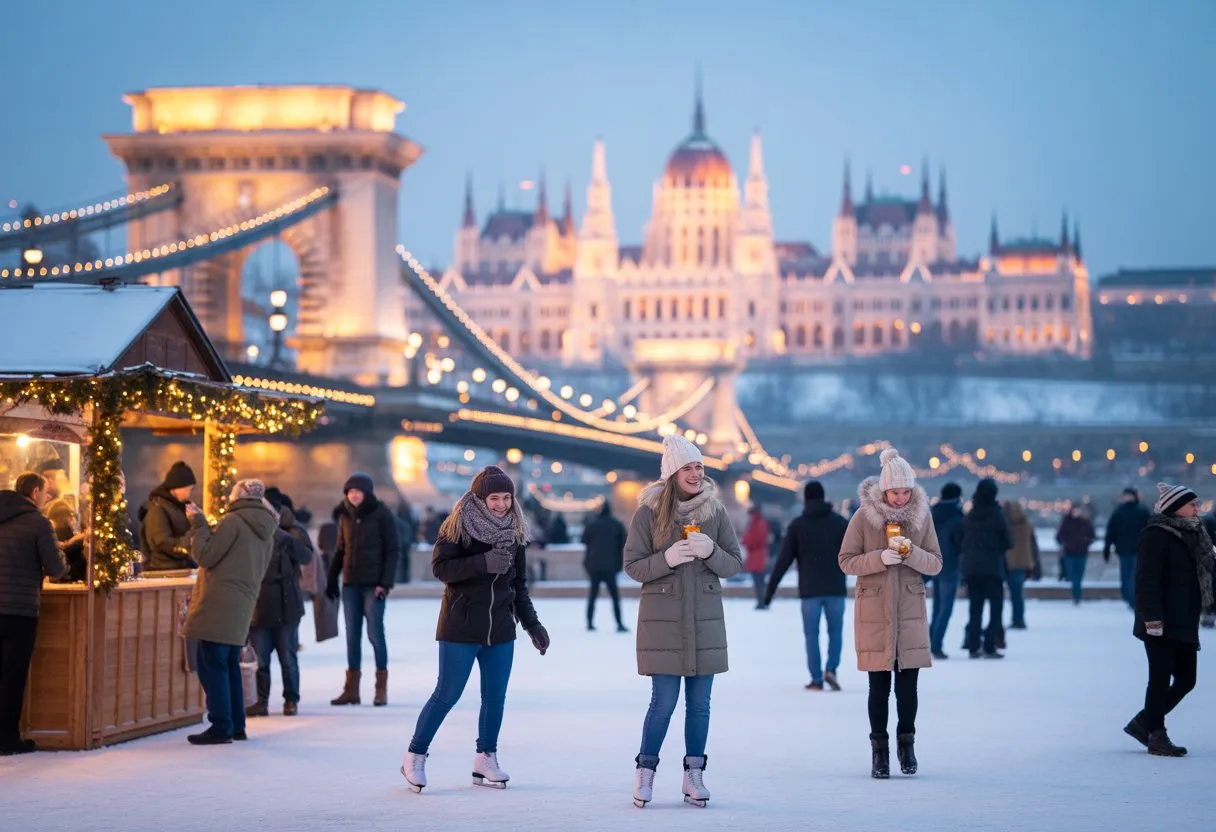
10 Fun Things You MUST Do in Budapest This Winter
Budapest turns into something truly special when winter settles in. The city glows with a festive atmosphere, and if you ask me, it’s the best time to discover its charm.
The Hungarian capital offers a mix of cultural experiences, seasonal traditions, and cozy activities that make the cold months pretty irresistible.
Winter in Budapest opens up a world of thermal baths, Christmas markets, historic landmarks, and cultural performances.
You can jump from outdoor ice skating to river cruises, or just wander the city for world-class food and classical music. The city’s architecture feels even more dramatic under winter skies, and all those lights and decorations? They just add to the magic.
1) Explore the festive Christmas markets at Vörösmarty Square
The Vörösmarty Square Christmas Market is Budapest’s most iconic holiday gathering spot. Right in the 5th District, the market opens mid-November and keeps the festive spirit alive until the end of December.
You’ll find wooden stalls packed with handcrafted Hungarian gifts and decorations. The scent of classic Hungarian food and mulled wine fills the air, and a massive Christmas tree stands proudly at the center.
Live shows and carolers pop up throughout December. As evening falls, the square glows with thousands of twinkling lights.
Vörösmarty Square is the go-to place for authentic Hungarian Christmas decorations. Local artisans show off their crafts, so you’ll spot plenty of unique finds.
The whole market is honestly a feast for the senses. Carols drift through the air, and the smell of roasting chestnuts and cinnamon lingers everywhere.
Plus, you can get here easily from anywhere in the city—no excuses.
2) Relax in the Széchenyi Thermal Bath's outdoor pools
When winter hits, Széchenyi Thermal Bath becomes almost dreamlike. Steam curls up from the outdoor pools as you soak in warm, mineral-rich water—all while the air stays chilly around you.
The complex includes three outdoor pools, part of 18 pools in total. The outdoor ones stay toasty, between 27°C and 38°C, even if snow falls on the Neo-Baroque buildings around you.
Natural hot springs feed the pools, and people have been coming here for the water’s therapeutic benefits since Roman times. You can buy full-day tickets online to skip the line, and inside you’ll find saunas, steam cabins, and massages if you want to splurge a bit.
The outdoor pools have whirlpools and water jets for extra relaxation. Over a million people visit every year, and it’s been a Budapest staple since 1913.
3) Enjoy ice skating at City Park Ice Rink
The City Park Ice Rink is a classic winter experience in Budapest. Every year, the park’s lake freezes over and turns into this massive, lively skating rink.
Skaters glide across the ice with Vajdahunyad Castle looming in the background—it’s kind of magical. The rink usually opens in late November and keeps going as long as the weather allows.
You don’t need your own skates; they rent them right there. Whether you’re a total beginner or a skating pro, you’ll find your groove.
Budapest has a few rinks, but City Park is a favorite for both locals and tourists. There’s plenty of space, so it rarely feels crowded.
The vibe is festive but laid-back. Families, couples, and groups of friends all come out for this winter tradition.
With the park and thermal baths nearby, it’s easy to turn your skate into a full day out.
4) Take a winter cruise on the Danube River
If you want a different view of Budapest, hop on a winter Danube River cruise. The boats have heated decks and serve hot drinks, so you can stay warm while you watch the city lights drift by.
Most cruises take about an hour and come with audio guides in several languages. You’ll see Parliament, Buda Castle, and the Chain Bridge from the water, which is a whole new perspective.
Evening cruises are especially popular. The city’s landmarks light up after dark, making it perfect for photos.
In December, some cruises add Christmas market stops and festive decorations for a little extra holiday cheer.
You’ll find several companies running cruises from different spots along the river. You can book online or buy tickets at the dock. Even with heated decks, bundle up—Budapest nights get cold.
5) Visit Buda Castle adorned with snow
Buda Castle looks straight out of a fairy tale when snow covers its old stone walls. The medieval buildings pop against the white, and honestly, it’s one of the best winter sights in the city.
You can wander the castle grounds without the summer crowds. Winter means peace and quiet, perfect for exploring the courtyards and snapping photos of the Danube and Pest skyline.
The castle district has plenty of indoor options if you need to warm up. The Hungarian National Gallery and Budapest History Museum are both inside the castle, and each offers a deep dive into Hungarian art and history.
Christmas at Buda Castle is a real treat. Markets pop up near Matthias Church, selling crafts and hot food to keep your hands warm.
If you hike up Castle Hill, you’ll get incredible city views—snowy rooftops stretching as far as you can see. Not up for the climb? The funicular runs year-round, so you can skip the icy stairs.
6) Dine at Michelin-starred restaurant Costes Downtown
Winter calls for something special, and Budapest’s food scene rises to the occasion. Costes Downtown opened in 2015 and has held its spot in the Michelin Guide since 2016.
The restaurant’s interior, with its living wall and leafy ceiling, feels warm and inviting—ideal for a chilly evening. You can request a cozy booth or, if you’re feeling fancy, book the chef’s table to peek into the kitchen.
Costes Downtown serves set lunch and dinner menus, plus tasting options. The young kitchen team puts out light, seasonal dishes that are both creative and approachable.
You can stop by for breakfast, a business lunch, or a full-on dinner experience. The spot is open to hotel guests and anyone wandering near the Chain Bridge or Basilica, which makes it a convenient treat during your winter adventures.
7) Stroll along the illuminated Chain Bridge at night
The Széchenyi Chain Bridge turns into a true spectacle after dark. Built between 1839 and 1849, this historic bridge links Buda and Pest across the Danube River.
The bridge glows with golden lights at night, reflecting off the water in a way that feels almost surreal. You can walk across the pedestrian pathways on either side and just soak in the city views.
The recently renovated cast-iron structure makes for a memorable evening stroll. Winter nights bring crisp air and fewer people, so you might actually hear your footsteps echo.
The walk takes about 10 to 15 minutes if you’re not rushing. From the bridge, you’ll spot the Parliament Building, Buda Castle, and other landmarks—each one shining along the riverbanks.
Budapest's most iconic bridge basically begs for photos. The lighting throws dramatic shadows and highlights the bridge’s details in a way you just have to see for yourself.
8) Experience the Hungarian National Opera House performance
The Hungarian State Opera House sits right on Andrássy Avenue in central Budapest. This Neo-Renaissance gem first opened its doors back in 1884.
Winter brings a packed schedule of opera and ballet, running from September through June. You’ll hear works by Mozart, Verdi, Puccini, and celebrated Hungarian composers. The opera house puts on over 50 different productions each season, so you’ll probably find something that catches your interest.
The building’s acoustics are nearly perfect. Plus, it boasts the second largest stage in Europe.
You can take guided tours of the restored building, which include a mini concert with young opera singers on the grand staircase. The recent restoration finished in 2022.
Tours show off the most beautiful parts of the opera house. You can book ahead or just try your luck and walk in. The blend of jaw-dropping architecture and world-class performances makes this a winter highlight in Budapest.
9) Warm up with chimney cake and hot mulled wine
If you’re in Budapest in winter, you’ve got to try two local favourites at the Christmas markets. Chimney cake—kürtőskalács—gets cooked over an open flame, then rolled in cinnamon, sugar, or nuts.
It’s warm, sweet, and perfect when you’re wandering around outside. Mulled wine, or forralt bor, comes spiced with cinnamon and cloves and really hits the spot on a cold day.
Budapest’s Christmas markets serve both treats all season. Prices depend on where you go; at Vörösmarty Square and St Stephen's Basilica, mulled wine runs around €6-8 per cup, but you’ll pay less at smaller markets or local bars.
Lots of people join a guided Christmas market tour that covers tastings for both chimney cake and mulled wine. These tours usually last about 2.5 hours and give you a peek into Hungarian holiday traditions while you snack your way through festive stalls.
10) Discover the art exhibits at the Museum of Fine Arts
The Museum of Fine Arts Budapest holds Hungary’s biggest art collection. It’s right on Heroes’ Square, and the place itself feels like a work of art after its recent renovation.
Inside, you’ll find masterpieces by famous European artists—think Raphael, Goya, Dürer. There are paintings, sculptures, and decorative arts from all sorts of eras and places.
History lovers might get stuck in the Egyptian section. Ancient mummies and other artefacts draw a lot of curious eyes. Budapest's Museum of Fine Arts gives you an unforgettable experience if you’re into art, history, or just want to escape the cold for a few hours.
The building’s grand halls and high ceilings set the scene for exploring centuries of artistic achievement. Winter’s the perfect time to duck inside and wander the galleries without the summer crowds.
The museum also brings in special exhibitions alongside the permanent collection, so even repeat visitors often find something new to enjoy.
Planning Your Winter Visit to Budapest
Winter in Budapest means cold temps and shorter days. With a bit of planning, you can still make the most of the city’s thermal baths, Christmas markets, and cozy indoor spots.
Essential Packing Tips for Cold Weather
Budapest winters call for warm, layered clothing you can shed or add as needed. Temperatures usually hover between -1°C and 3°C, sometimes dipping below freezing.
Pack a heavy coat, thermal layers, and a hat that actually covers your ears. Waterproof boots with good grip are a must—those sidewalks get slick. Don’t forget gloves and a scarf, especially if you plan to walk along the river.
A small day bag comes in handy for stashing layers when you head into heated places like museums or cafés—or the famous thermal baths in winter. You’ll be surprised how toasty it gets indoors.
Bring an umbrella or rain jacket for wet weather. A reusable water bottle and hand warmers can make long days outside a lot more comfortable.
Transportation Options During Winter
Budapest’s public transport works well in winter. The metro, trams, and buses run on time, even in snow.
The Budapest Card gives you unlimited rides and discounts for several days. A single ticket costs around 350 HUF, while a 24-hour travel card is about 1,650 HUF.
Tram 2 offers some of the city’s best views along the Danube, and you’ll stay warm inside. The M1 metro line—Europe’s second-oldest—connects major sights efficiently.
Taxis and ride-sharing apps like Bolt operate all year, but prices do bump up during busy times. Walking’s nice on milder days, but leave extra time if sidewalks are icy.
Weather Expectations and Seasonal Advice
December through February brings Budapest’s coldest stretch. January usually feels the chilliest, with daytime highs from 0°C to 5°C and nights dropping to -5°C or lower.
Snow happens, but it rarely piles up in the city centre. Expect lots of grey skies—sunshine isn’t exactly abundant this time of year.
Daylight is limited. In December, sunrise comes around 7:30 AM and sunset hits by 4:30 PM. Plan your outdoor sightseeing for midday, then save museums or cafés for early mornings or when it gets dark. Planning winter activities in Budapest works best if you keep an eye on the clock.
The Christmas market season runs mid-November through early January, filling the city with lights and music. By February, crowds thin out and hotels get cheaper, though some seasonal spots close after early January.
Cultural Etiquette and Local Traditions
Winter brings its own customs to Budapest, from lively celebrations to quiet moments at famous sites. Knowing a bit about Hungarian culture and etiquette helps you fit right in—even when it’s freezing outside.
Winter Festivals and Customs
Budapest celebrates winter with events that show off Hungarian heritage. The Christmas markets run late November to early January, and locals appreciate a friendly “jó napot” (good day) when you greet vendors. Handle handmade crafts gently before buying—people take pride in their work.
St. Nicholas Day on December 6th is a big deal for kids, who leave polished boots on windowsills. If you’re staying in a local home, you might spot this tradition. New Year’s Eve feels different here—most Hungarians celebrate with family dinners instead of massive street parties.
During Advent, locals often go to concerts in historic churches. Dress modestly and slip in quietly if you attend; photos are usually not allowed during services.
Folk traditions pop up at cultural venues across Budapest, especially in December. Traditional dance shows offer a window into Hungarian customs. Don’t clap between pieces—wait until the end, as that’s the local way.
Navigating Popular Attractions in the Off-Season
Winter means fewer crowds at Budapest’s main sights, but local etiquette still matters. At thermal baths, shower before entering pools and wear proper swimsuits—no street clothes allowed.
Keep your voice down in baths, especially in steam rooms and saunas. Locals come here to relax, not to socialize loudly. Leave your phone in the locker.
At museums and historic buildings, take off wet boots or use protective covers when it’s snowy. Staff really appreciate it. For places like the Parliament Building, security checks are standard—arrive 15 minutes early to avoid rushing.
Restaurants get especially cozy in winter, so reservations are smart. Tipping is 10-15% of the bill, added when you pay—not left on the table. Waving or snapping for staff isn’t well received here.
Frequently Asked Questions - Budapest in Winter
Budapest offers thermal baths, Christmas markets, and ice-skating rinks all winter long. You’ll also find traditional Hungarian events and loads of family-friendly attractions scattered across the city.
What are some popular indoor activities in Budapest during the winter months?
Thermal baths are Budapest’s go-to indoor escape when it’s cold out. Széchenyi Thermal Bath keeps its indoor and outdoor pools steaming, even when the city freezes.
Museums are another solid bet for staying warm. The Hungarian National Museum and the House of Terror Museum both pull in crowds looking for something a bit more cultural.
And if you want something with a bit of edge, there’s always Budapest’s famous ruin bars. These quirky spots, set inside old buildings, crank up the heat and the atmosphere.
Where can one find the best traditional Hungarian events in Budapest?
Vörösmarty Square transforms into a festive hub every December. You’ll find Hungarian crafts, steaming food, and mulled wine from dozens of cheerful vendors.
The festive Christmas markets fill the city with folk music and craft demos. St Stephen's Basilica gets in on the action too, with a market and some pretty impressive light shows.
If you’re hungry, traditional restaurants serve up winter classics like goulash and chimney cake. Honestly, it’s hard to resist that combo when the air gets chilly.
Can you recommend family-friendly winter attractions in Budapest?
The City Park Ice Rink invites families to skate under the open sky. Kids can glide around with Vajdahunyad Castle as their backdrop—pretty magical, really.
Budapest Zoo doesn’t shut down for winter; instead, it decorates for Christmas and runs special seasonal programs. The indoor animal houses are a warm retreat if the wind picks up.
Thermal baths aren’t just for adults. Many have pools and play zones for children, and families often get a price break.
What are the top ice-skating rinks in Budapest to visit this winter?
City Park Ice Rink is the big one—huge, lively, and open from November through February. It’s basically a Budapest winter tradition at this point.
Buda Castle has its own rink, smaller but with unbeatable views of the old city. If you want something more low-key, this is the spot.
Some shopping centers jump in with indoor rinks. So, if the weather goes sideways, you can still lace up and take a spin.
Which Christmas markets in Budapest are considered must-visits?
Vörösmarty Square Christmas Market is the classic. Wooden stalls line the square, packed with handmade gifts and sweet Hungarian snacks.
St Stephen's Basilica Christmas Market goes big with a light show projected right onto the church. Food stalls and live music keep the energy high.
The Fashion Street Christmas Market is a little more boutique. You’ll spot designer goods and artisan gifts here—perfect if you’re after something a bit different.
How can you dive into Budapest's thermal baths in winter?
Széchenyi Thermal Bath really nails the winter vibe with its outdoor pools. Steam curls up from the hot water while everyone just chills—well, relaxes—in the crisp air.
Thermal baths stay open all winter, and they even stretch their hours during the holidays. Some spots let you soak under the stars in December, which is honestly magical.
Don’t forget to pack your swimwear and a towel, though you can always rent them if you travel light. Oh, and for some pools, you’ll need a swimming cap, so check ahead or grab one at the entrance.